
EMDR Treatment | Eye Movement Desensitization & Reprocessing Therapy
At Laike Rising Therapy, we offer EMDR counseling in Indianapolis and New York City to help individuals heal from trauma, anxiety, and painful memories.
EMDR therapy in Indianapolis and New York City helps individuals heal trauma and anxiety using evidence-based care.
Our therapists provide EMDR sessions with compassionate, evidence-based care that integrates Internal Family Systems (IFS) and trauma-informed approaches. Whether you’re seeking relief from PTSD, complex trauma, or distressing life experiences, EMDR treatment can help you process and release the past — so you can reclaim your life
What Is EMDR Therapy?
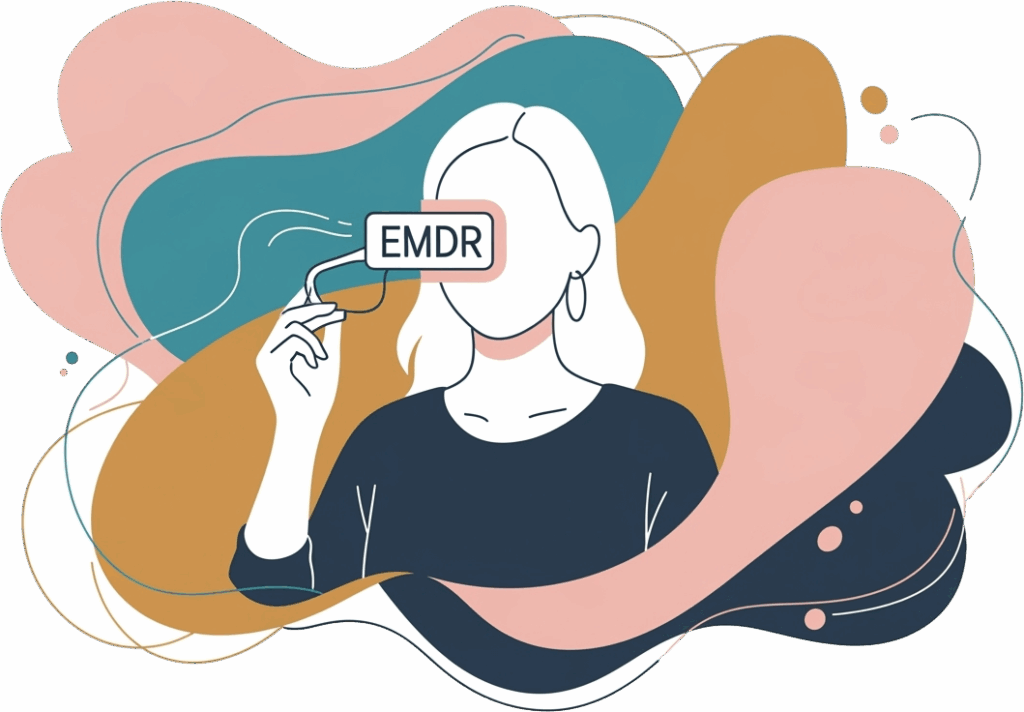
Many people search “what is EMDR,” “what is EMDR therapy,” or even “what does EMDR stand for?” EMDR stands for Eye Movement Desensitization and Reprocessing, an evidence-based approach to healing trauma, PTSD, anxiety, and depression. EMDR treatment works by helping the brain reprocess painful memories so they no longer trigger overwhelming reactions.
Other common terms include: eye movement desensitization treatment and what is EMDR therapy and how does it work.
How Does EMDR Work?
If you’ve wondered “how does EMDR work?” or “how EMDR therapy works,” EMDR uses bilateral stimulation (eye movements, taps, or sounds) while recalling distressing memories. This process activates the brain’s natural ability to heal, reducing emotional distress and shifting negative beliefs.
The EMDR treatment process follows structured EMDR phases, including assessment, preparation, desensitization, reprocessing, and integration. Many people also ask, “what happens during EMDR therapy?” — sessions feel safe, focused, and deeply healing.
Is EMDR Evidence-Based and Effective?
Clients often ask: “is EMDR evidence based?” and “does EMDR work?” The answer is yes. EMDR therapy is backed by decades of clinical research and is recommended by organizations such as the World Health Organization and the American Psychiatric Association.
It has been shown effective for:
-
Post-traumatic stress treatment EMDR (PTSD)
-
EMDR treatment for depression
-
EMDR treatment for trauma
-
EMDR for anxiety
-
EMDR for grief
When people search “is EMDR therapy effective,” they find that EMDR is one of the most trusted trauma treatments worldwide.

Who Can Benefit From EMDR Therapy?
EMDR is designed for anyone struggling with overwhelming memories, trauma, or emotional blocks. It is often used for:
-
PTSD and complex trauma
-
Anxiety and panic attacks (EMDR for anxiety)
-
Depression and low mood (EMDR treatment for depression)
-
Childhood trauma, grief, and attachment wounds
-
Phobias and performance-related stress
Searches like “EMDR trauma therapy near me” or “EMDR therapy for trauma and depression” reflect the wide range of people who benefit from this approach.
EMDR Online and Virtual Treatment Options
With increasing demand for accessibility, many clients now ask: “can EMDR be done virtually?” The answer is yes. We provide:
-
EMDR online treatment
-
EMDR therapy online
-
virtual EMDR therapy
-
online EMDR therapy
Research shows that online EMDR therapy can be just as effective as in-person sessions. If you’ve searched “EMDR trauma therapy near me online” or “virtual EMDR therapy,” you’ll find secure telehealth options available to support your healing wherever you are.

EMDR Therapy FAQ | Answering Common Questions
EMDR stands for Eye Movement Desensitization and Reprocessing. It’s a therapeutic approach that uses eye movements or other forms of bilateral stimulation to help the brain reprocess traumatic or distressing experiences.
Many people search “what is EMDR therapy and how does it work?” In simple terms, EMDR helps the brain rewire how painful memories are stored, so they no longer trigger overwhelming emotions. Instead of erasing the memory, EMDR reduces the distress connected to it.
If you’ve wondered “how does EMDR therapy work” or “what happens during EMDR therapy,” here’s the answer: while focusing on a memory, the client follows the therapist’s guided eye movements or tapping. This bilateral stimulation helps the brain process the memory in a healthier way, leading to reduced distress and improved beliefs about oneself.
Yes. Searches like “is EMDR evidence based” or “does EMDR work” are common, and the answer is clear — EMDR is supported by decades of clinical research. It’s recommended by organizations such as the World Health Organization, the American Psychiatric Association, and the U.S. Department of Veterans Affairs for treating PTSD.
Absolutely. At Laike Rising Therapy, we integrate EMDR with Internal Family Systems (IFS) and other trauma‑informed approaches to provide comprehensive care tailored to your needs.
People often ask “what is EMDR therapy used for?” EMDR can help with:
-
PTSD and trauma (post traumatic stress treatment EMDR)
-
Depression (EMDR treatment for depression)
-
Anxiety (EMDR for anxiety)
-
Grief and loss
-
Childhood trauma and attachment wounds
-
Phobias or performance anxiety
Coverage varies by provider and plan. We can help you determine if your insurance includes EMDR therapy or provide documentation for out‑of‑network reimbursement.
Yes. “Can EMDR be done virtually?” and “is online EMDR therapy effective?” are popular searches. With online EMDR therapy and virtual EMDR therapy, clients can access the same structured eight-phase approach via secure telehealth platforms. Research shows that EMDR online can be just as effective as in-person therapy.
This depends on the individual. Some people experience significant relief in 6–12 sessions, while others with complex trauma may benefit from longer-term treatment. Searches like “how does EMDR treatment work” and “what to expect during EMDR therapy” reflect this common question.
The EMDR treatment process follows structured phases:
-
History-taking and assessment
-
Preparation and stabilization
-
Desensitization with bilateral stimulation
-
Reprocessing memories
-
Installation of positive beliefs
-
Closure and follow-up
This ensures that sessions feel safe, structured, and paced appropriately for each client.
Not everyone responds in the same way, but studies show that a majority of clients with PTSD and trauma-related issues benefit significantly. For others, EMDR may be combined with different approaches like CBT or talk therapy.
If you’ve searched “EMDR trauma therapy near me” or “EMDR therapy for depression or anxiety,” you may be a good candidate. EMDR is best suited for people who feel “stuck” in painful memories, intrusive thoughts, or recurring emotional patterns. The best way to know is to schedule a consultation.
Learn More: EMDR Therapy Research and Guides
EMDR International Association (EMDRIA) – Official EMDR training and research hub.
American Psychological Association – EMDR Overview – Evidence-based insights from the APA.
National Center for PTSD – EMDR guidance for veterans and trauma survivors.
WE'RE HERE FOR YOU
Let's Get Started
The next step is to schedule your FREE 15-minute consultation.