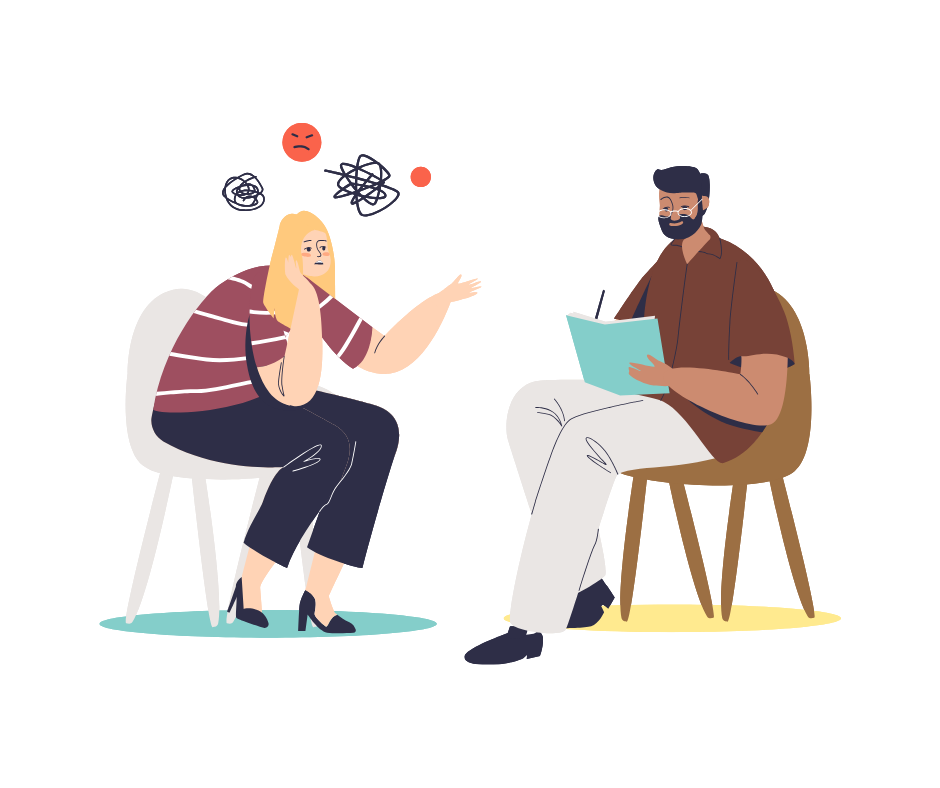
How do I know if I have depression, or I'm just going through a rough patch?
Depression usually involves persistent low mood, loss of interest, or hopelessness lasting more than two weeks, affecting daily functioning. If it feels like more than a bad stretch, it's worth talking through together.
Do I need medication for depression?
Not necessarily. Many people improve significantly with therapy alone. If medication could help, we'll talk through that option and coordinate with a medical provider as needed.
How long does depression therapy typically take?
There's no fixed timeline. Some people notice meaningful shifts within a few months, others continue longer to work through deeper patterns. We build the pace around you.
What if I've had thoughts of not wanting to be here?
Please reach out. Thoughts like these are a sign to get support, not a sign of weakness, and we take them seriously and compassionately. If you're in crisis right now, please contact 988 (Suicide & Crisis Lifeline) or go to your nearest emergency room.
Can depression really cause physical symptoms?
Yes. Headaches, unexplained aches, fatigue, and appetite or sleep changes are all common physical signs of depression, not just emotional ones.
What if I don't have the motivation to even start therapy?
That's a common part of depression itself, not a barrier to starting. Just showing up is often the hardest step, and we meet you exactly where you are, low motivation included.
Do you treat postpartum or seasonal depression specifically?
Yes. We work with postpartum depression, seasonal affective disorder, grief-related depression, and treatment-resistant depression, each with an approach suited to its specific patterns.